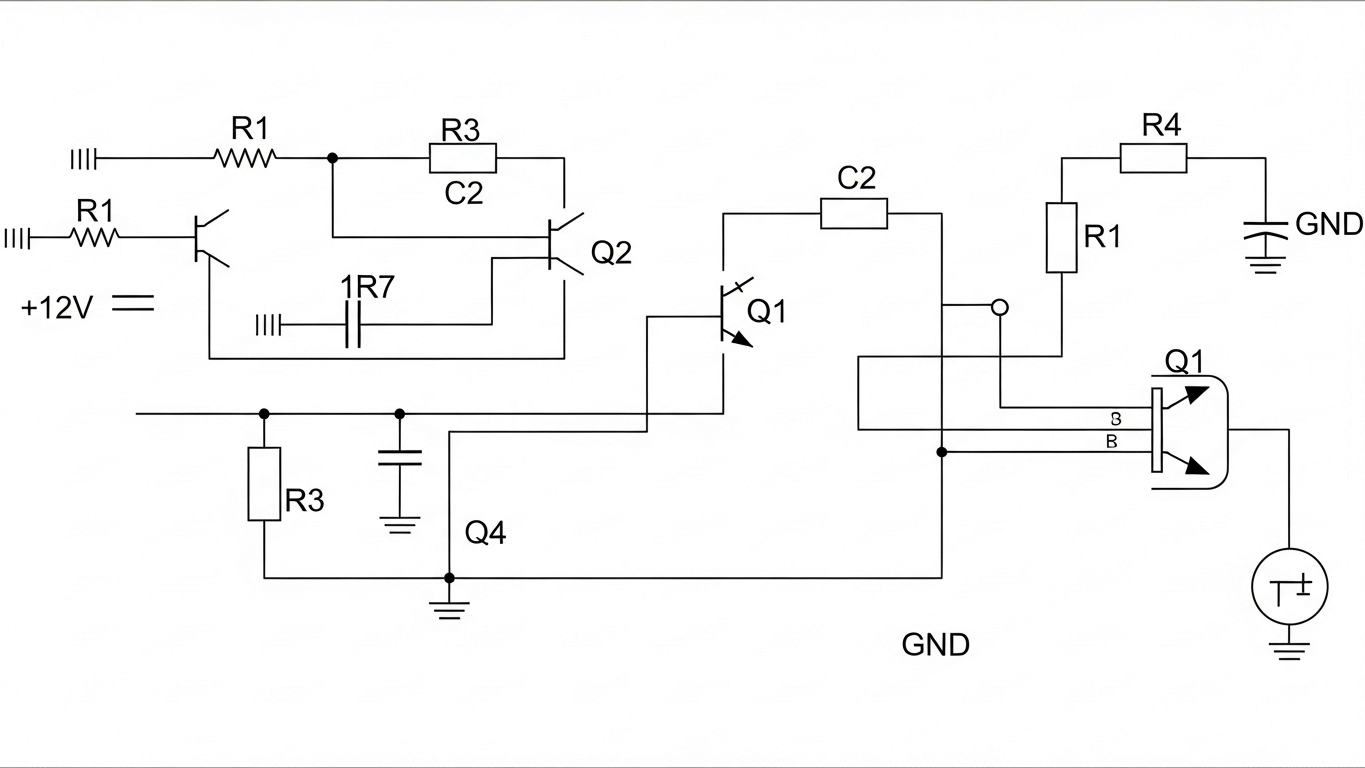
For any owner of a classic 1988 Toyota Pickup, understanding the intricacies of its electrical system is key to keeping it running smoothly and safely. When it comes to crucial safety features, the tail lights play a vital role. This is where the 1988 Toyota Pickup Tail Light Wiring Diagram becomes an indispensable tool. It’s more than just a collection of lines and colors; it's a roadmap to ensuring your brake lights, turn signals, and running lights are all functioning as they should.
Decoding Your 1988 Toyota Pickup Tail Light Wiring Diagram
The 1988 Toyota Pickup Tail Light Wiring Diagram is essentially a schematic that illustrates how the electrical components related to your tail lights are interconnected. It shows the wires, their colors, and the points where they connect to various parts of your truck's electrical system, including the tail light assemblies themselves, the brake light switch, the turn signal switch, and the fuse box. Having this diagram allows you to diagnose problems, perform repairs, or even upgrade your lighting system with confidence. This diagram is absolutely critical for troubleshooting and maintenance, ensuring your vehicle is visible and safe on the road.
Understanding the basics of how these circuits work is the first step. Generally, the tail lights operate on a system that splits the lighting functions. You have:
- Running Lights: These are the lights that illuminate when your headlights are on, providing general visibility.
- Brake Lights: These activate only when you press the brake pedal, signaling to others behind you that you are slowing down.
- Turn Signals: These blink left or right to indicate your intended direction of travel.
The 1988 Toyota Pickup Tail Light Wiring Diagram will detail the specific wire colors and their functions for each of these. For instance, a typical diagram might show a constant power source feeding the running lights, a signal from the brake switch activating the brake lights, and separate signals from the turn signal switch to control the blinking of the left and right turn signals. Keeping track of these distinct circuits prevents confusion and ensures that each function operates independently but in coordination when needed. A simplified representation might look like this:
| Function | Primary Wire Color (Example) | Component Controlled |
|---|---|---|
| Running Lights | Brown | Tail Light Bulb Filament (Low Wattage) |
| Brake Lights | Red | Tail Light Bulb Filament (High Wattage) |
| Left Turn/Hazard | Yellow | Left Tail Light Bulb Filament (Blinking) |
| Right Turn/Hazard | Green | Right Tail Light Bulb Filament (Blinking) |
When a tail light issue arises, whether it's a bulb that won't light up or a turn signal that's acting erratically, the wiring diagram becomes your best friend. You can trace the circuit from the power source, through the switches, and to the light assembly, systematically identifying where the break in the connection or the faulty component might be. This methodical approach, guided by the diagram, saves time and prevents unnecessary replacement of parts. It empowers you to tackle common electrical gremlins that plague older vehicles, ensuring your 1988 Toyota Pickup remains a reliable companion.
To accurately diagnose and repair your 1988 Toyota Pickup's tail light system, consult the specific 1988 Toyota Pickup Tail Light Wiring Diagram. This detailed resource will provide the precise wire colors, connection points, and circuit layouts you need for a successful outcome.