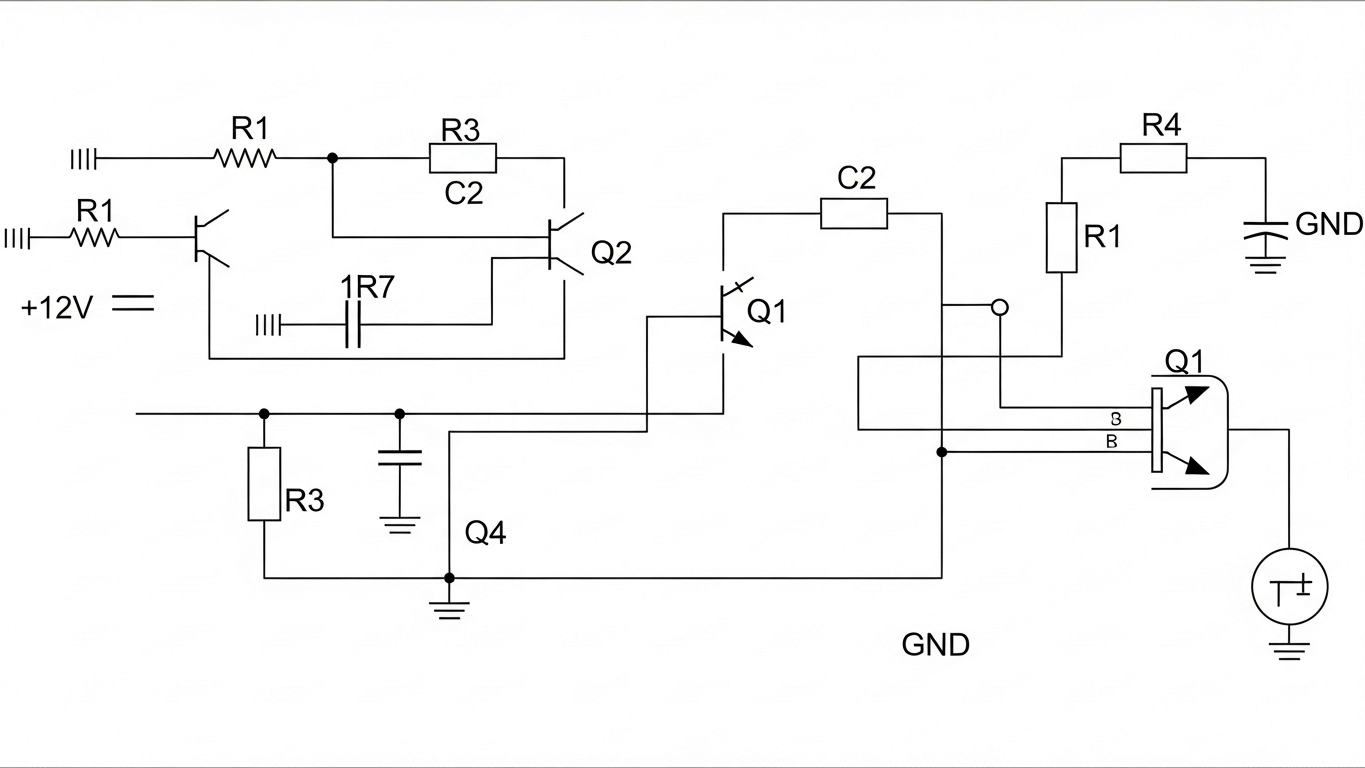
Demystifying the Ignition System's Electrical Highway
So, what exactly is a 1990 Toyota Pickup Ignition Wiring Diagram? Think of it as a detailed map of the electrical pathways that control your truck's ignition system. It shows you how the battery's power flows through various components like the ignition switch, starter solenoid, ignition coil, and eventually to the spark plugs, all in the correct sequence. Without this diagram, diagnosing problems can feel like navigating a maze blindfolded. The importance of having a correct and easily understandable ignition wiring diagram cannot be overstated for any DIY mechanic or even a professional technician. These diagrams are invaluable for several reasons. For starters, they help you pinpoint specific components and their connections. For example, you can trace the wire from the ignition switch (often labeled 'IG' or 'ACC') to the power source and then see where it leads to energize other parts of the system. They also illustrate the different wires involved, their colors, and their functions. This is essential for making sure you're connecting the right wire to the right terminal when replacing parts or installing new accessories. Here's a breakdown of what you'll typically find represented in an ignition wiring diagram:- Ignition Switch This is the main control point, starting the flow of power.
- Starter Solenoid Engages the starter motor to crank the engine.
- Ignition Coil Transforms low voltage from the battery into the high voltage needed to create a spark.
- Distributor (if applicable) Directs the high voltage to the correct spark plug at the right time.
- ECU (Engine Control Unit) Modern trucks might have this computer controlling ignition timing.
- Related Fuses and Relays These protect the circuit and can also be points of failure.