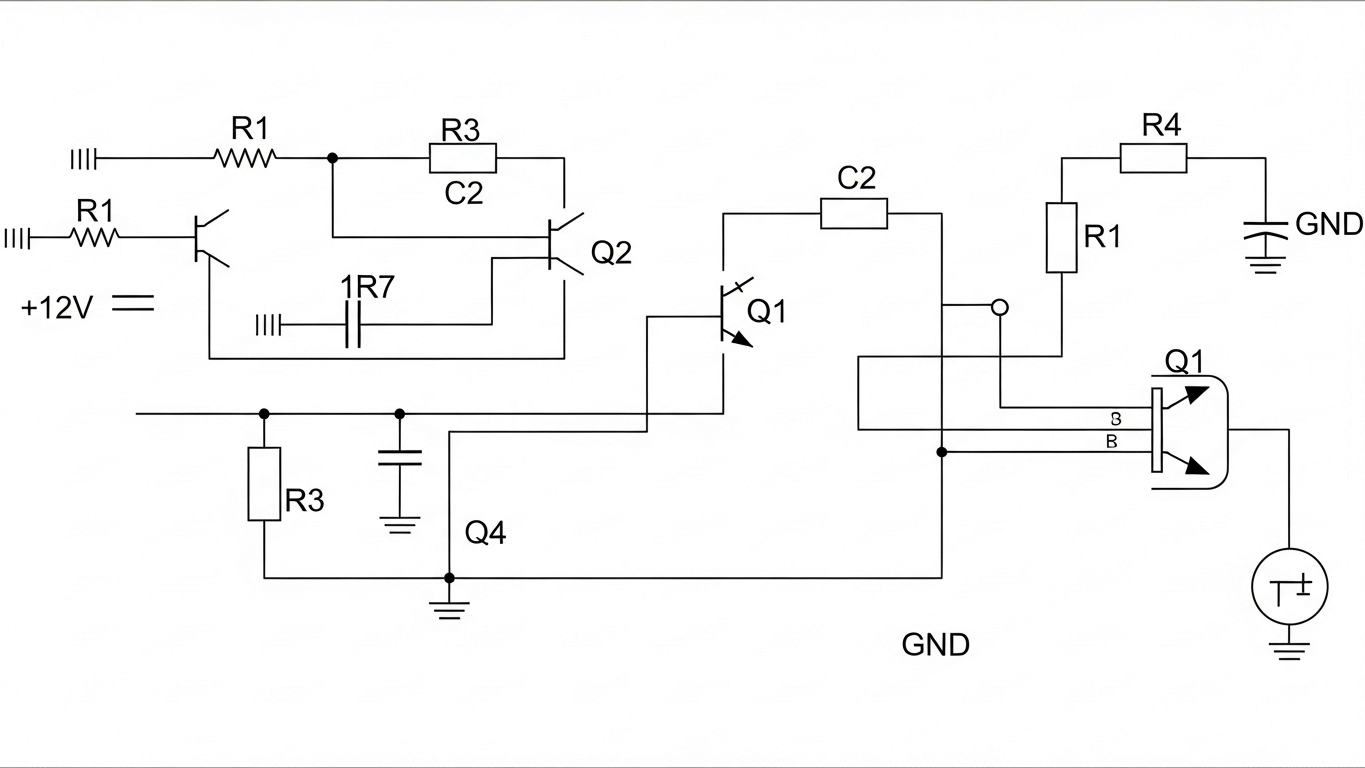
Embarking on a stereo upgrade or troubleshooting an audio issue in your beloved 1999 Toyota 4runner? You'll quickly discover that the key to a successful project lies within the intricacies of the 1999 Toyota 4runner Stereo Wiring Diagram. This crucial document serves as your roadmap, guiding you through the labyrinth of wires and connections that bring your sound system to life. Understanding this diagram is not just helpful it's essential for anyone looking to personalize their driving experience or fix a faulty stereo.
Decoding Your 1999 Toyota 4runner Stereo Wiring Diagram
So, what exactly is a 1999 Toyota 4runner Stereo Wiring Diagram, and why is it so important? In essence, it's a visual representation that illustrates how the various electrical components of your car's audio system are interconnected. Think of it like a blueprint for your stereo. It shows you which wire carries power, which ones send audio signals to your speakers, and which ones are responsible for things like antenna control or illumination.
These diagrams are invaluable tools for a number of reasons. For DIY enthusiasts looking to install a new head unit, replace factory speakers, or add an amplifier, the wiring diagram prevents costly mistakes. It ensures you connect the correct wires to the corresponding terminals, avoiding blown fuses, damaged components, or even worse, a fire hazard. For those experiencing problems, the diagram becomes a diagnostic aid. By tracing the flow of electricity, you can pinpoint where a signal is being interrupted or where a faulty connection might be hiding. Here's a quick overview of what you'll typically find:
- Constant Power (12V+): This wire provides continuous power to the stereo, allowing it to remember settings like radio presets and clock time even when the ignition is off.
- Switched Power (Accessory Power): This wire is connected to the ignition system and only receives power when the key is in the accessory or ignition position. It powers the stereo when you're driving.
- Ground: This is the return path for electricity. A solid ground connection is vital for proper audio performance and to prevent humming or buzzing noises.
- Speaker Wires: These are color-coded to indicate the positive (+) and negative (-) terminals for each individual speaker. Connecting these incorrectly can result in distorted sound or speakers not working at all.
- Illumination/Dimmer: This wire connects to your car's lighting system, allowing the stereo's display to dim when your headlights are on.
- Antenna Remote: This wire sends a signal to power up an antenna booster or electric antenna when the stereo is turned on.
Without a clear understanding of the 1999 Toyota 4runner Stereo Wiring Diagram, you're essentially flying blind when it comes to your audio system. It's the definitive guide that dictates the proper connections for optimal sound and functionality. For example, if you're installing an aftermarket head unit, you'll need to identify the corresponding wires on both the car's harness and the new stereo's harness to ensure a seamless integration. This table provides a simplified example of how speaker wires might be represented:
| Location | Positive Wire Color | Negative Wire Color |
|---|---|---|
| Front Left Speaker | Green | Green/Black |
| Front Right Speaker | Yellow | Yellow/Black |
Therefore, for any work you plan to do on your 1999 Toyota 4runner's stereo system, whether it's a simple replacement or a complex installation, consulting the 1999 Toyota 4runner Stereo Wiring Diagram is an absolute must. It's your reliable guide to ensuring everything is connected correctly and safely.
To successfully navigate your stereo project and ensure all your connections are accurate, refer to the comprehensive resources available in the section that follows this guide.