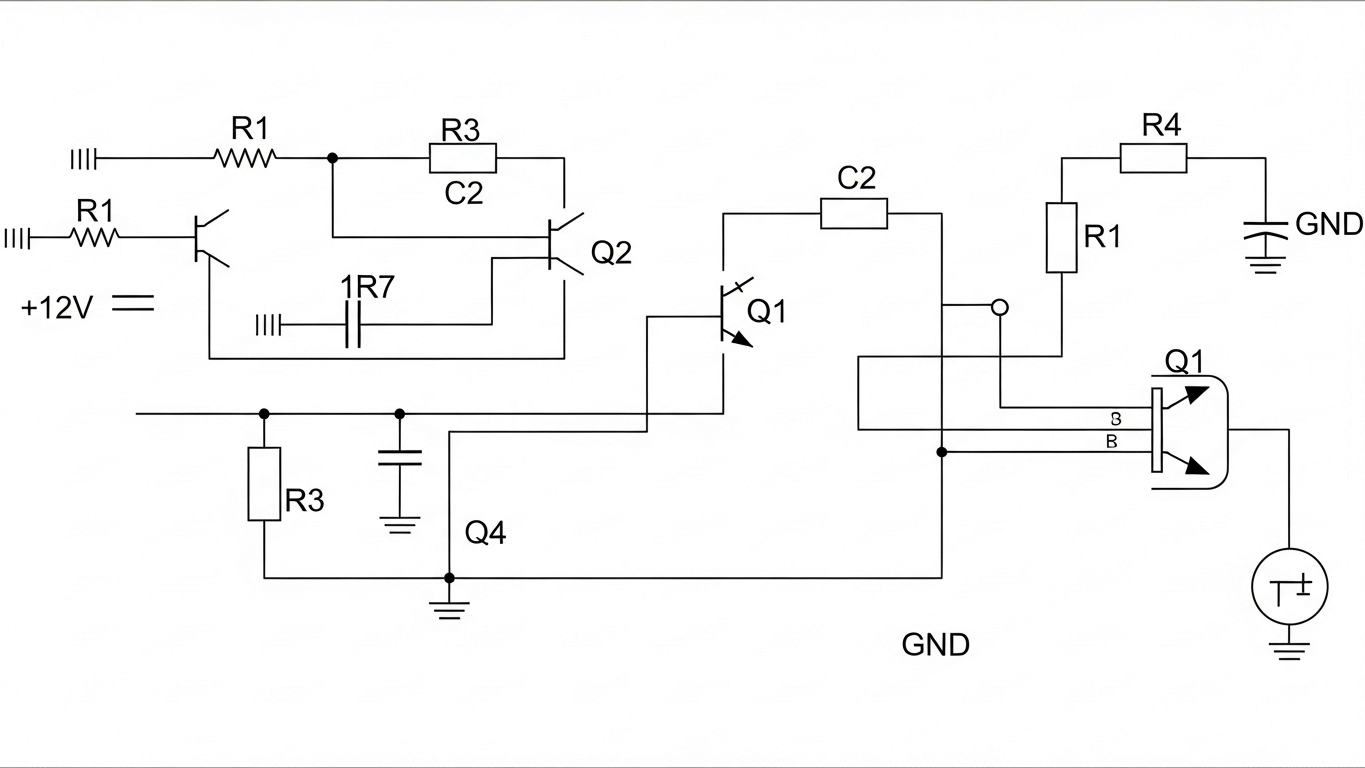
Decoding Your 1999 Toyota Corolla Ignition Wiring Diagram
The 1999 Toyota Corolla Ignition Wiring Diagram is a crucial schematic that details the electrical connections involved in your vehicle's ignition system. It essentially shows how different components are linked together to initiate and maintain the combustion process. This includes everything from the ignition switch itself, the starter motor, the ignition coil, and various relays and fuses. Having a clear understanding of this diagram is incredibly important for diagnosing and repairing any ignition-related problems efficiently and correctly. Without it, you're essentially working blind, risking further damage or incorrect repairs. Think of this diagram as a blueprint for your car's starting mechanism. It helps you identify specific wires by their color and function, understand the sequence of events when you turn the key, and locate individual components within the complex web of your Corolla's electrical system. Here's a glimpse of what you'll find and how it's used:- Wire Colors and Identification The diagram will typically use standardized wire colors to help you identify individual circuits. For instance, a red wire might consistently represent a power source, while a yellow wire might indicate a connection to a specific sensor.
- Component Locations and Connections It illustrates where each ignition component is physically located in your vehicle and how it connects to other parts of the system.
- Circuit Flow and Logic The lines on the diagram represent electrical pathways. Understanding these pathways allows you to trace the flow of electricity from the battery to the ignition coil and then to the spark plugs.
- Ignition Switch The central control point where you insert your key. It directs power to various circuits depending on the key position (ACC, ON, START).
- Starter Relay A switch that uses a small amount of current to control a larger current, allowing the starter motor to engage.
- Ignition Coil Stores electrical energy and then releases it as a high-voltage pulse to ignite the fuel-air mixture in the cylinders.