Decoding the 2001 Toyota Sequoia Alternator Wiring Diagram
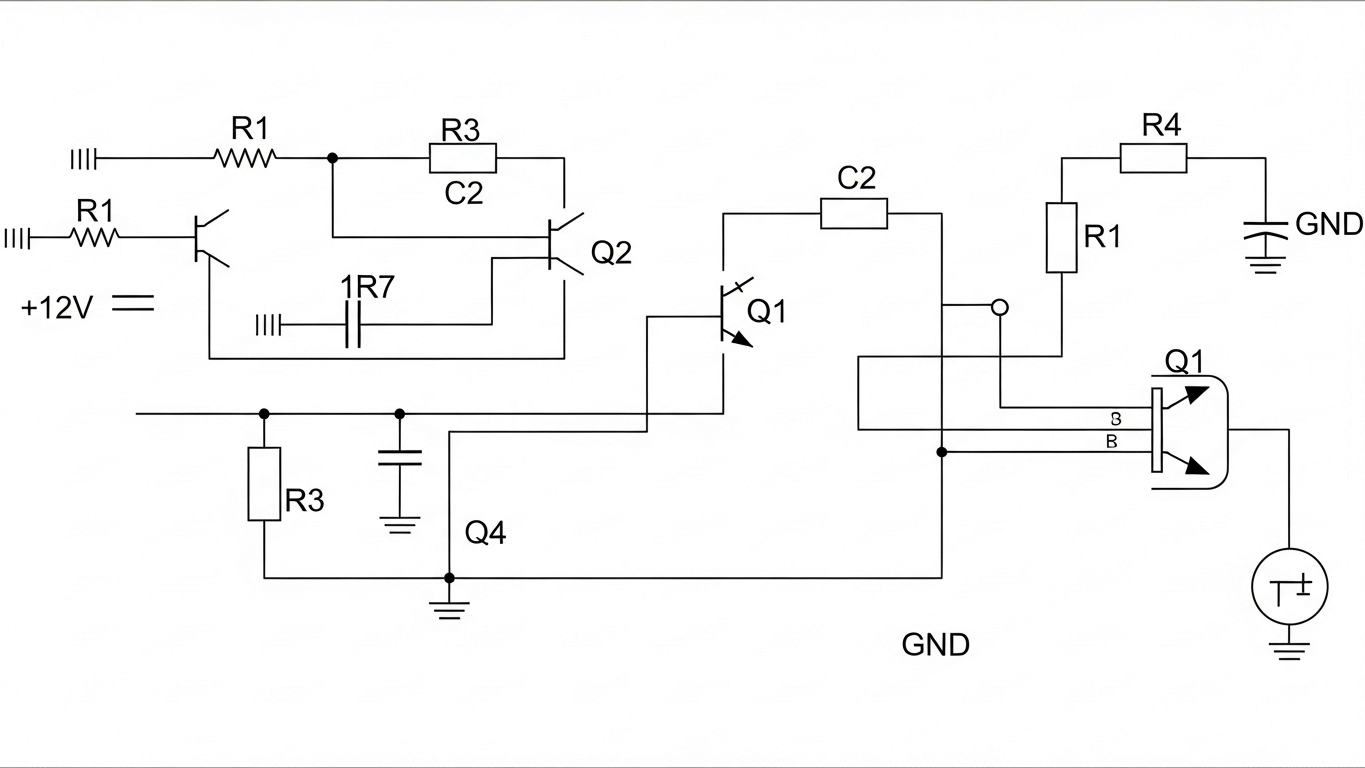
The 2001 Toyota Sequoia Alternator Wiring Diagram is essentially a blueprint that shows the intricate pathway of electrical current within your vehicle's charging system. It details the connections between the alternator, which generates electricity, and the battery, which stores it, as well as other essential electrical consumers. This diagram is indispensable for diagnosing problems, such as a dead battery or a dimly lit dashboard, and for ensuring that all connections are made correctly during any repair or replacement of the alternator. The importance of accurately interpreting this diagram cannot be overstated for the proper functioning and longevity of your vehicle's electrical system. This diagram is typically presented as a schematic, using standardized symbols to represent different electrical components and wires. You'll find lines indicating wires, blocks or circles representing components, and sometimes color codes to help distinguish different circuits. For instance, you might see: * A representation of the alternator itself. * The battery terminals (positive and negative). * Connections to the voltage regulator, which controls the output voltage. * The battery indicator light on your dashboard. * Other related fuses and relays. To effectively use the 2001 Toyota Sequoia Alternator Wiring Diagram, you'll need to follow the lines to trace the flow of electricity. This involves understanding that: 1. The alternator produces direct current (DC) electricity when the engine is running. 2. This electricity is used to power the vehicle's accessories and recharge the battery. 3. The voltage regulator ensures that the alternator doesn't overcharge or undercharge the battery. 4. The battery indicator light on the dashboard is typically illuminated when the engine is off and the alternator is not producing power, and it should turn off once the engine starts and the charging system is active. Here's a simplified overview of the typical connections you might find depicted in the diagram:| Component | Connection Point | Purpose |
|---|---|---|
| Alternator | Battery Terminal (B+) | Main power output to charge battery and run accessories |
| Alternator | Ignition/Exciter Wire (L or S terminal) | Provides initial voltage to start alternator charging |
| Alternator | Ground | Completes the electrical circuit |
| Battery | Alternator B+ | Receives charge |