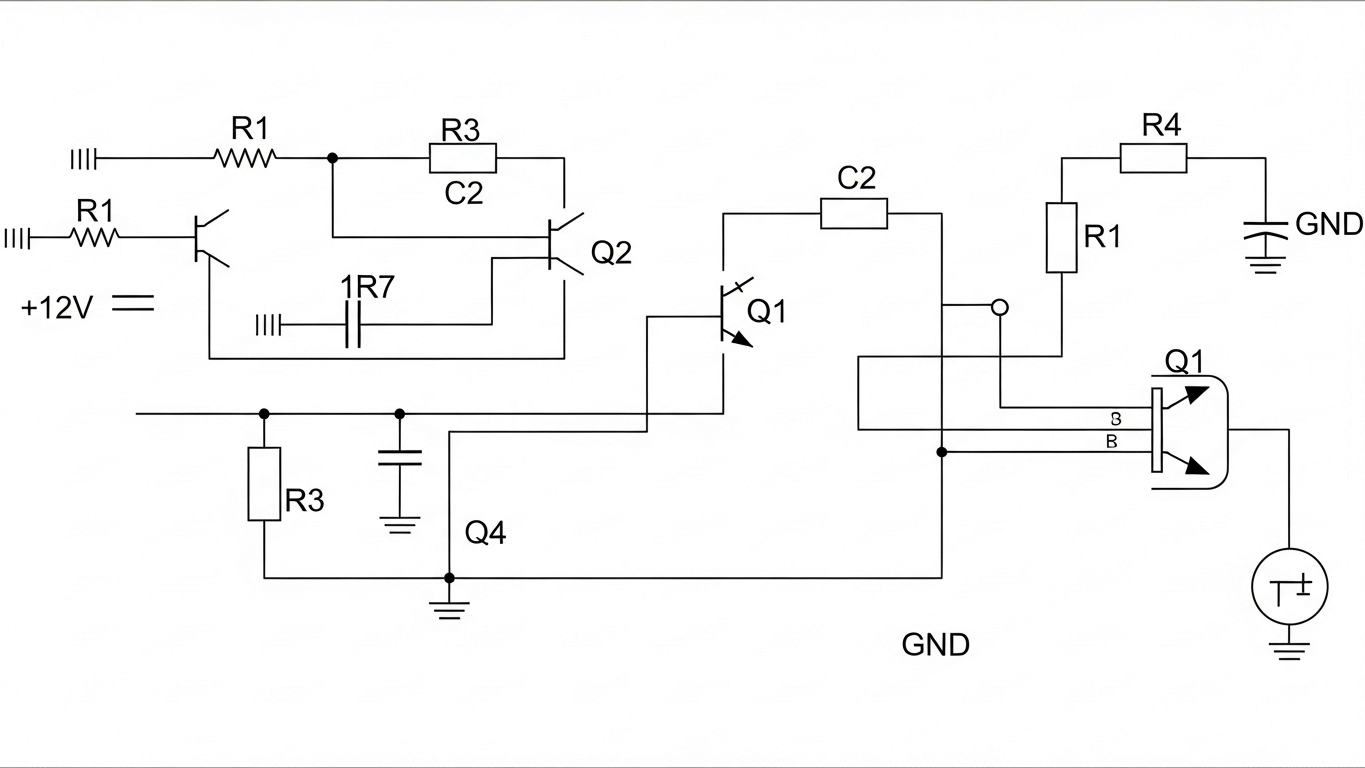
Navigating the electrical system of your Toyota can sometimes feel like deciphering an ancient code, especially when it comes to components like the alternator. Understanding the Alternator Pinout Toyota 4 Pin Alternator Wiring Diagram is crucial for anyone looking to diagnose charging issues, perform replacements, or simply gain a deeper insight into their vehicle's power generation. This guide will illuminate the intricacies of this common Toyota alternator configuration.
Understanding the Toyota 4-Pin Alternator Connector
The 4-pin alternator connector found on many Toyota models serves as the central hub for communication between the alternator and the vehicle's electrical system. It's more than just a simple power connection; it relays vital information that ensures your battery is charging correctly and your vehicle's electronics are receiving stable power. Without a proper understanding of this pinout, troubleshooting charging problems can be a frustrating and time-consuming endeavor. This knowledge is essential for both DIY enthusiasts and professional mechanics alike.
The specific functions of each pin can vary slightly depending on the exact Toyota model and year, but generally, you'll find the following common configurations. A typical 4-pin connector includes connections for:
- Battery Output (often the largest terminal, directly connected to the battery positive)
- Ignition/Charge Indicator (this signal tells the alternator to start charging)
- Voltage Sense (monitors the battery voltage to regulate the alternator's output)
- Ground (provides a return path for the electrical current)
To illustrate, consider a common interpretation of these pins:
| Pin Designation | Function | Typical Wire Color (May Vary) |
|---|---|---|
| B | Battery Output | Thick Red |
| L | Lamp/Indicator | Red or Yellow |
| S | Sense | Blue or Brown |
| G | Ground | Black |
It's important to remember that while these are common, always consult a specific wiring diagram for your Toyota model to confirm the exact pinout and wire colors. This ensures accuracy and prevents potential damage to your vehicle's electrical system. The precise arrangement and function of these pins are critical for the efficient operation of your vehicle's charging system.
To get the most accurate information tailored to your specific vehicle, please refer to the detailed diagrams available in the section that follows this introduction.