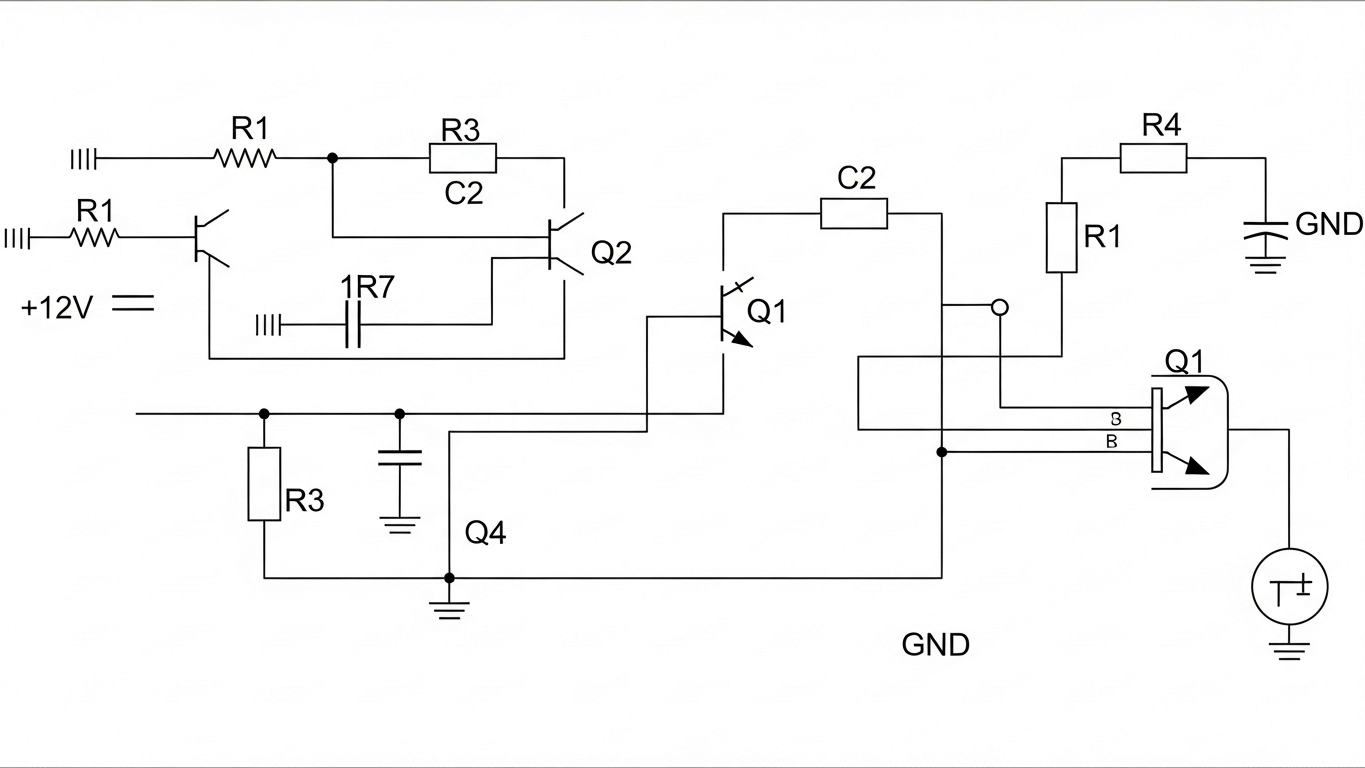
Decoding the Toyota 3 Wire Alternator Wiring Diagram
The Toyota 3 Wire Alternator Wiring Diagram is a schematic that illustrates the connections between your alternator, battery, ignition system, and indicator light. Alternators are responsible for converting mechanical energy from the engine into electrical energy to power your car's accessories and recharge the battery. The three-wire configuration is a common and relatively straightforward setup found in many Toyota models. These diagrams are indispensable for troubleshooting charging system issues. When your battery warning light illuminates, or if you suspect your alternator isn't doing its job, the wiring diagram provides the exact locations and functions of each wire. It helps technicians and owners alike identify faulty connections, understand voltage regulation, and ensure proper current flow. This understanding is vital for preventing electrical damage and ensuring your vehicle runs reliably. Here's a simplified breakdown of what you'll typically find on a Toyota 3 Wire Alternator Wiring Diagram:- B+ Terminal This is the main output terminal of the alternator, directly connected to the battery positive terminal. It carries the bulk of the charging current.
- IG (Ignition) Terminal This wire is connected to the ignition switch. When the ignition is turned on, it supplies voltage to the alternator, exciting the field coils and allowing it to begin generating power.
- L (Lamp or Indicator) Terminal This terminal connects to the battery warning light on your dashboard. It plays a crucial role in monitoring the alternator's output.
| Alternator Terminal | Connection To | Purpose |
|---|---|---|
| B+ | Battery Positive | Main charging output |
| IG | Ignition Switch | Excites alternator field |
| L | Dashboard Warning Light | Indicates charging system status |