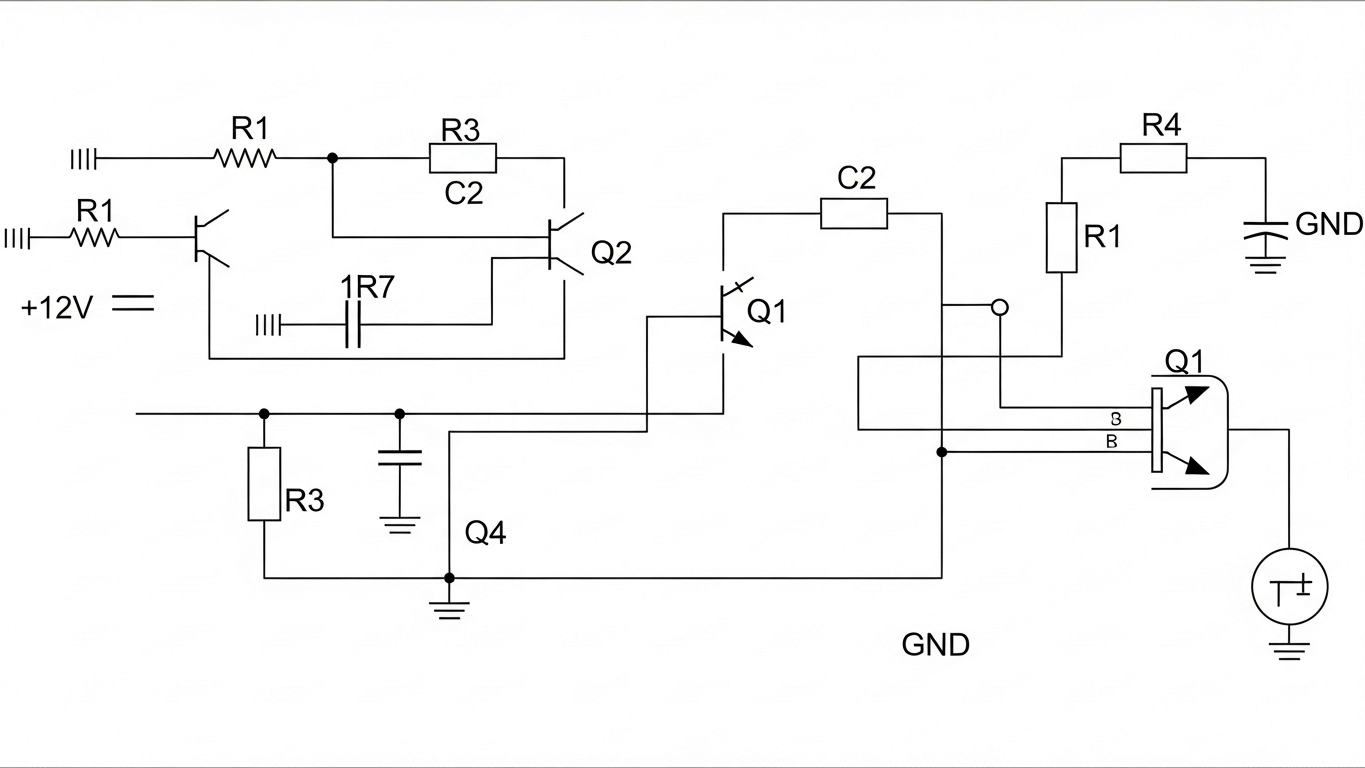
Understanding the intricacies of your vehicle's electrical system can be both empowering and practical. When it comes to the vital safety feature of your tail lights, a clear grasp of the Toyota 4runner Tail Light Wiring Diagram is essential for any owner looking to perform maintenance, troubleshoot issues, or even undertake custom modifications. This diagram acts as the blueprint for how your tail lights receive power and function.
The Crucial Role of the Toyota 4runner Tail Light Wiring Diagram
The Toyota 4runner Tail Light Wiring Diagram is essentially a visual representation of the electrical connections that power your rear lighting system. This includes the running lights, brake lights, turn signals, and reverse lights. It details the color of each wire, where it originates (often from the fuse box or a specific control module), and where it terminates at the tail light assembly. By following this diagram, you can trace the path of electricity, ensuring each light receives the correct voltage and signal to operate as intended. This is incredibly useful for diagnosing problems like a burnt-out bulb that isn't just a simple bulb replacement or a turn signal that's not flashing.
These diagrams are indispensable tools for several reasons. For DIY enthusiasts, they are the first point of reference for any repair. Imagine a situation where your brake lights aren't working. Instead of randomly checking fuses or bulbs, the wiring diagram allows you to systematically test specific circuits. It helps identify if the issue lies with the bulb itself, the socket, the wiring harness, or a more complex electrical component. Understanding the Toyota 4runner Tail Light Wiring Diagram is fundamental to ensuring your vehicle is visible and safe on the road, especially during low-light conditions or when braking.
Here's a breakdown of what you can typically find and how it's used:
- Wire Colors and Gauges: The diagram specifies the color of each wire (e.g., red for brake light, brown for running light) and its thickness, which is important for carrying the correct amount of current.
- Connection Points: It illustrates where wires connect to components like the tail light housing, the vehicle chassis, and any relevant switches or relays.
- Functionality Mapping: The diagram clearly links specific wires to their respective functions. For example, you'll see which wire controls the left turn signal and which controls the right.
When troubleshooting, you'd typically use a multimeter in conjunction with the diagram. You would locate the relevant wire on the diagram, then find that wire on your vehicle and test for voltage or continuity. This methodical approach, guided by the Toyota 4runner Tail Light Wiring Diagram, saves time and prevents further damage.
Here's a simplified example of a potential circuit for a brake light:
| Function | Wire Color (Example) | Origin | Destination |
|---|---|---|---|
| Brake Light | Red | Brake Light Switch | Tail Light Assembly (Brake Light) |
The diagram will also show how these individual circuits are integrated, for instance, how the running lights are activated when the headlights are turned on, or how the turn signal flashes are synchronized.
Are you ready to dive deeper and find the exact wiring schematic for your specific Toyota 4Runner model year? The detailed information you need is readily available in the comprehensive resources that follow this guide.