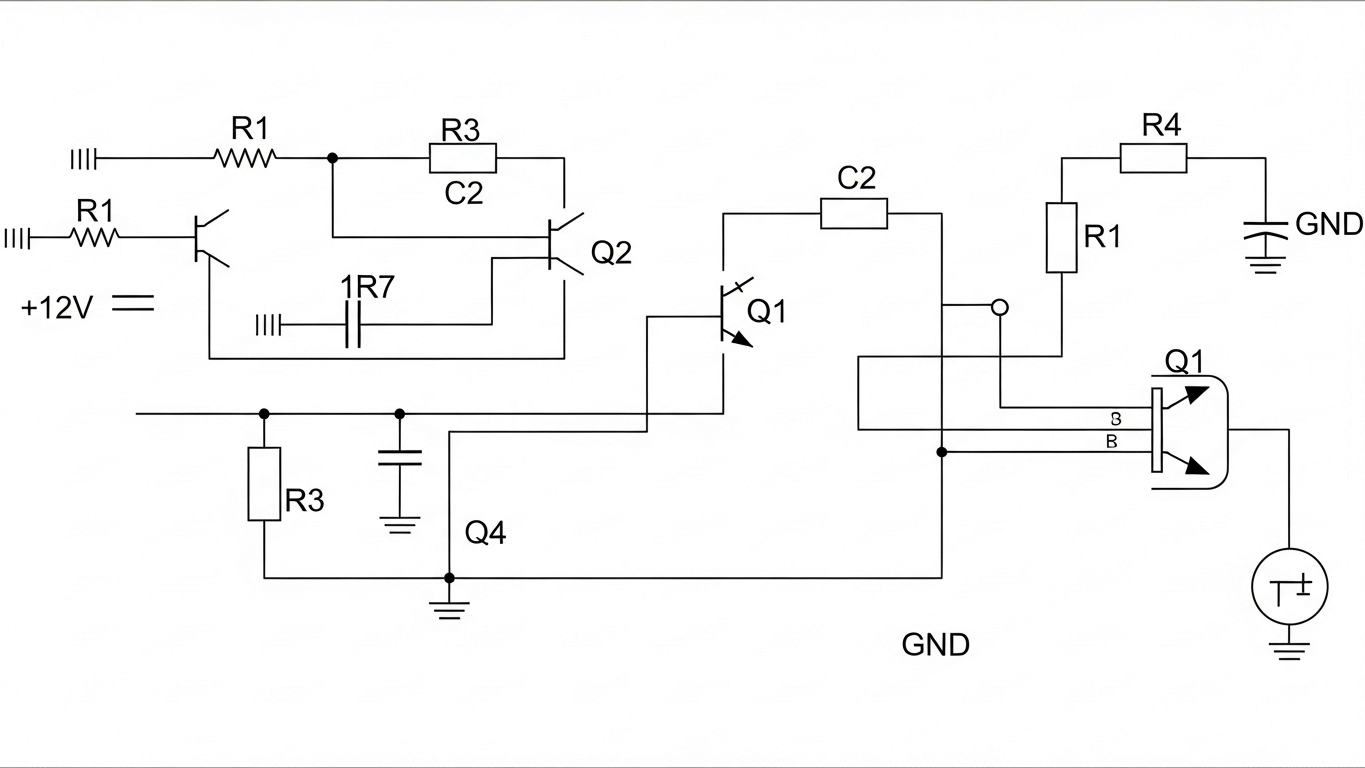
Understanding the intricacies of your vehicle's electrical system can seem daunting, but a key component to deciphering it is the Toyota Alternator Wiring Diagram. This diagram serves as a roadmap, guiding you through the connections that power your car's battery and essential electronic systems. Whether you're a seasoned DIY mechanic or a curious car owner, a grasp of the Toyota Alternator Wiring Diagram can empower you to troubleshoot issues and ensure your vehicle runs smoothly.
What is a Toyota Alternator Wiring Diagram and How is it Used?
A Toyota Alternator Wiring Diagram is essentially a visual blueprint that illustrates how the alternator, the component responsible for generating electrical power while the engine is running, is connected to the rest of your car's electrical network. It details the wires, their colors, and the terminals they connect to, providing a clear picture of the power flow.
These diagrams are invaluable for several reasons:
- **Troubleshooting Electrical Problems:** If your battery isn't charging, or you're experiencing intermittent electrical issues, the wiring diagram helps pinpoint potential faults within the alternator circuit.
- **Installation and Replacement:** When installing a new alternator or making repairs, the diagram ensures all connections are made correctly, preventing damage to the new component or other electrical parts.
- **Understanding System Operation:** It offers a deeper understanding of how your car's charging system works, from the battery to the voltage regulator.
Here's a breakdown of common elements you'll find on a Toyota Alternator Wiring Diagram:
- Battery Terminal (B+): This is the main output terminal where the alternator sends charging voltage to the battery.
- Ignition (IG) or Light (L) Terminal: This terminal often receives a signal from the ignition switch or the battery warning light on the dashboard. It's crucial for activating the alternator.
- Sense (S) Terminal: This terminal monitors the battery voltage and signals the voltage regulator to adjust the alternator's output accordingly.
- Ground (G) Terminal: While often grounded through its mounting bolts, some diagrams may show a specific ground connection.
The importance of correctly interpreting the Toyota Alternator Wiring Diagram cannot be overstated. Improper connections can lead to blown fuses, damaged components, and even a non-operational vehicle.
Different Toyota models and years will have slight variations in their wiring. Therefore, it is crucial to consult the specific Toyota Alternator Wiring Diagram that matches your vehicle's make, model, and year. This ensures accuracy and prevents costly mistakes.
To get the most accurate and detailed information for your specific Toyota, we strongly recommend referencing the official service manual or a specialized automotive repair database that provides vehicle-specific Toyota Alternator Wiring Diagram information.