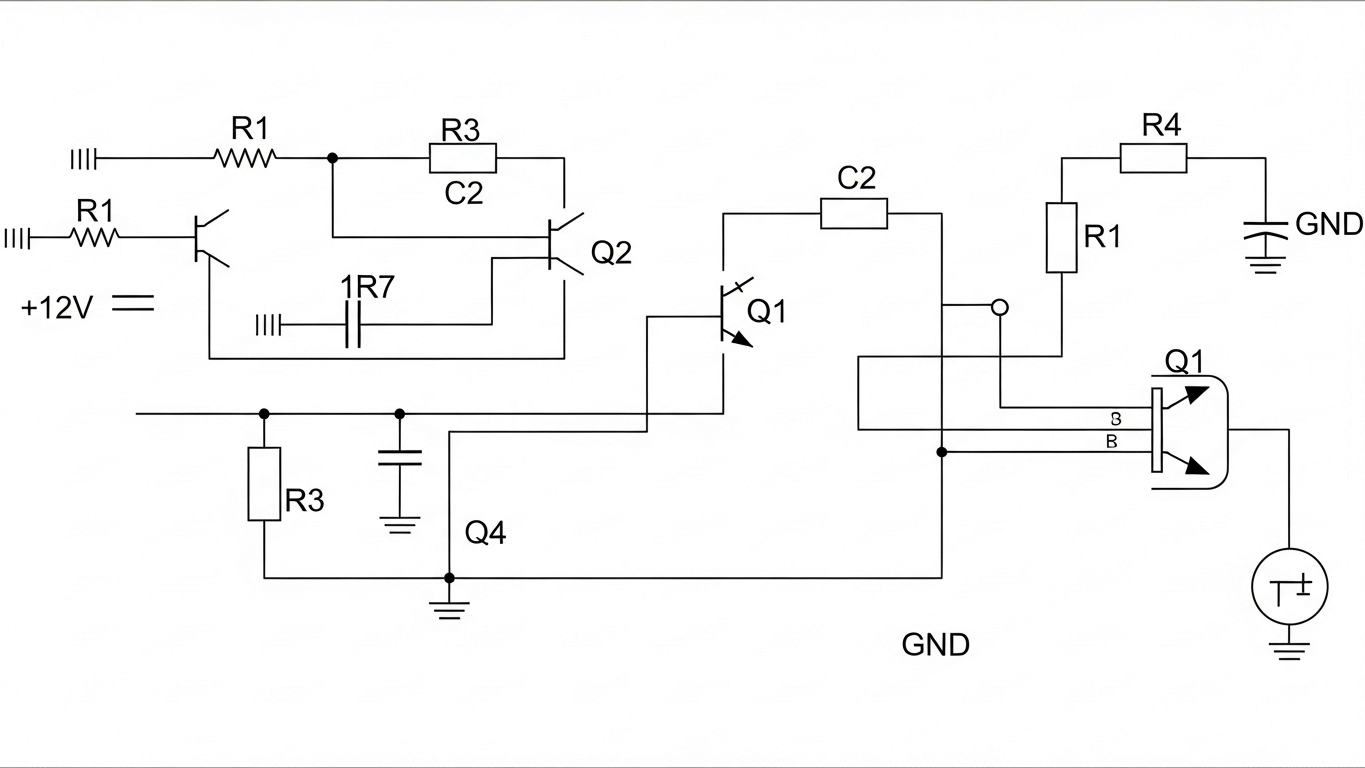
Embarking on a DIY automotive repair or simply curious about how your car's features work? Understanding the intricate workings of your vehicle's electrical systems is crucial, and the Toyota Power Window Wiring Diagram is your key to deciphering the magic behind those smooth-operating windows. This diagram is more than just a schematic; it's a roadmap that illuminates the path electricity takes to raise and lower your glass.
Decoding the Toyota Power Window Wiring Diagram
A Toyota Power Window Wiring Diagram is a visual representation of all the electrical components and their connections involved in the power window system of a Toyota vehicle. Think of it as the blueprint for your windows. It shows everything from the window switch you operate, the motor inside the door that moves the glass, the fuses that protect the system, and the relays that control the flow of power. Mechanics and car enthusiasts alike rely on these diagrams to diagnose problems, perform repairs, and even install aftermarket accessories.
The primary purpose of a Toyota Power Window Wiring Diagram is to provide clarity and direction. When a power window stops working, or behaves erratically, this diagram becomes an invaluable tool. It allows technicians to systematically trace the electrical path, identifying potential issues such as a blown fuse, a faulty switch, a disconnected wire, or a malfunctioning motor. Without it, troubleshooting would be a frustrating and time-consuming guessing game. The importance of having the correct Toyota Power Window Wiring Diagram cannot be overstated for efficient and accurate repairs.
-
Components illustrated typically include:
- Window Switches (driver and passenger side)
- Power Window Motors
- Window Regulators
- Door Control Modules (in newer models)
- Fuses and Relays
- Wiring Harnesses
- Circuit Breakers
By following the lines and symbols on the diagram, one can understand the sequence of operations. For instance, when you press the switch to lower the window, the diagram shows how that action sends a signal, activates a relay, and directs power to the motor. It also illustrates the grounding points, which are essential for completing the electrical circuit. For those looking to understand specific circuits or troubleshoot common issues, the diagram breaks down complex systems into manageable sections. For example, a common problem might be a window only working from the driver's side switch. The diagram would help trace the independent circuits for each door and identify if the issue lies with the individual door switch or the main driver's side control unit.
When using a Toyota Power Window Wiring Diagram, you'll often encounter specific symbols and color-coding for wires. Familiarizing yourself with these conventions is key. Here's a simplified look at what you might find:
| Symbol | Meaning |
|---|---|
| Solid Line | Electrical Connection |
| Dashed Line | Ground Connection |
| Colored Lines | Specific wire colors (e.g., R for Red, B for Black, Y for Yellow) |
| Boxed Item | Component (e.g., Switch, Motor) |
Navigating these diagrams can seem daunting at first, but with a little patience and the right reference, you can gain a deep understanding of your Toyota's power window system. Whether you're a seasoned mechanic or a weekend warrior, having access to a detailed Toyota Power Window Wiring Diagram for your specific model is an indispensable resource.
To get started on your journey to mastering your Toyota's power windows, refer to the comprehensive Toyota Power Window Wiring Diagram provided in the following section. It's your essential guide to understanding and fixing your vehicle's electrical components.