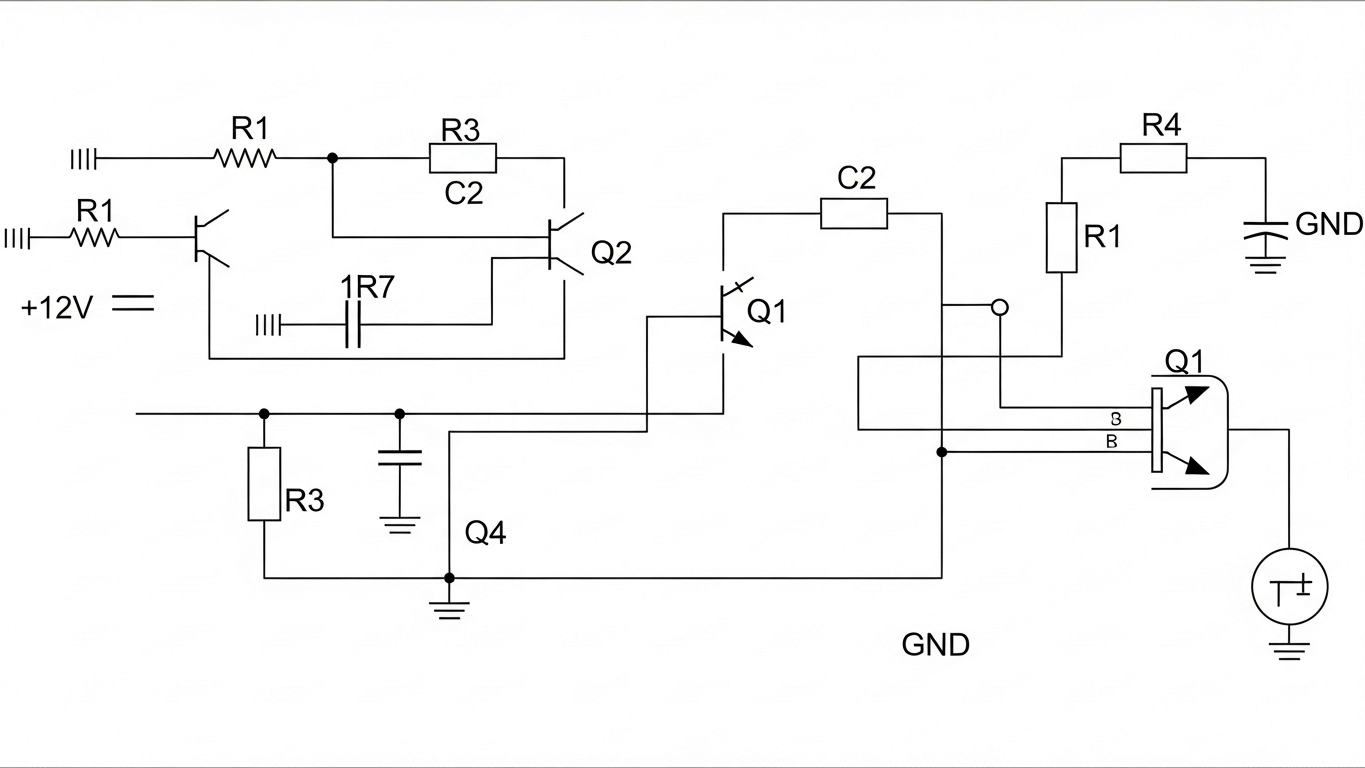
What Exactly is a 1988 Toyota 4runner Wiring Diagram and How is it Used?
A 1988 Toyota 4runner Wiring Diagram is a visual representation of all the electrical circuits within your specific model year 4runner. Think of it like a blueprint for your car's electricity. It shows where each wire originates, where it goes, what components it connects to, and the color of each wire. This level of detail is vital because modern vehicles, even those from the late 80s, have a complex network of electrical components working in harmony. These diagrams are used for a variety of purposes. The most common is troubleshooting electrical problems. When a light doesn't work, a sensor is acting up, or a fuse keeps blowing, the wiring diagram is the first place to turn. It allows you to trace the path of electricity, identify potential breaks in the circuit, or pinpoint faulty components. Beyond repairs, it's also invaluable for installing new accessories like aftermarket stereos, auxiliary lights, or even upgrading existing systems. The importance of having an accurate and detailed wiring diagram cannot be overstated when dealing with any electrical work on your vehicle. Here are some of the key elements you'll find on a typical 1988 Toyota 4runner Wiring Diagram:- Symbols representing various electrical components (e.g., fuses, relays, switches, lights, motors).
- Lines indicating the wires connecting these components.
- Wire colors, often coded with abbreviations (e.g., R for red, B for black, W for white).
- Ground points, where circuits connect to the vehicle's chassis.
- Circuit breakers and fuses, showing their location and amperage rating.
Understanding these symbols and color codes is the first step to effectively using the diagram. For example, if you need to replace a headlight bulb and the diagram shows a blue wire going from the headlight switch to the bulb, you know exactly which wire to look for. If you're tracing a problem with the fuel pump, the diagram will show its connection to the fuel pump relay and the fuse box, allowing you to systematically check each part of the circuit.
The 1988 Toyota 4runner Wiring Diagram is organized in a logical manner, often broken down by system (e.g., engine control, lighting, ignition, audio). This segmentation makes it easier to focus on the specific area you're working on. A comprehensive diagram will also typically include a legend that explains all the symbols used, which is a lifesaver for beginners. For those who want to delve deeper, the diagram can also be a great educational tool to learn about automotive electrical systems in general.
Here's a simplified look at how different systems might be represented:
| System | Key Components Indicated |
|---|---|
| Headlights | Headlight switch, bulbs, relays, fuses |
| Ignition | Ignition switch, starter motor, ignition coil, distributor |
| Fuel System | Fuel pump, fuel pump relay, fuel injectors |