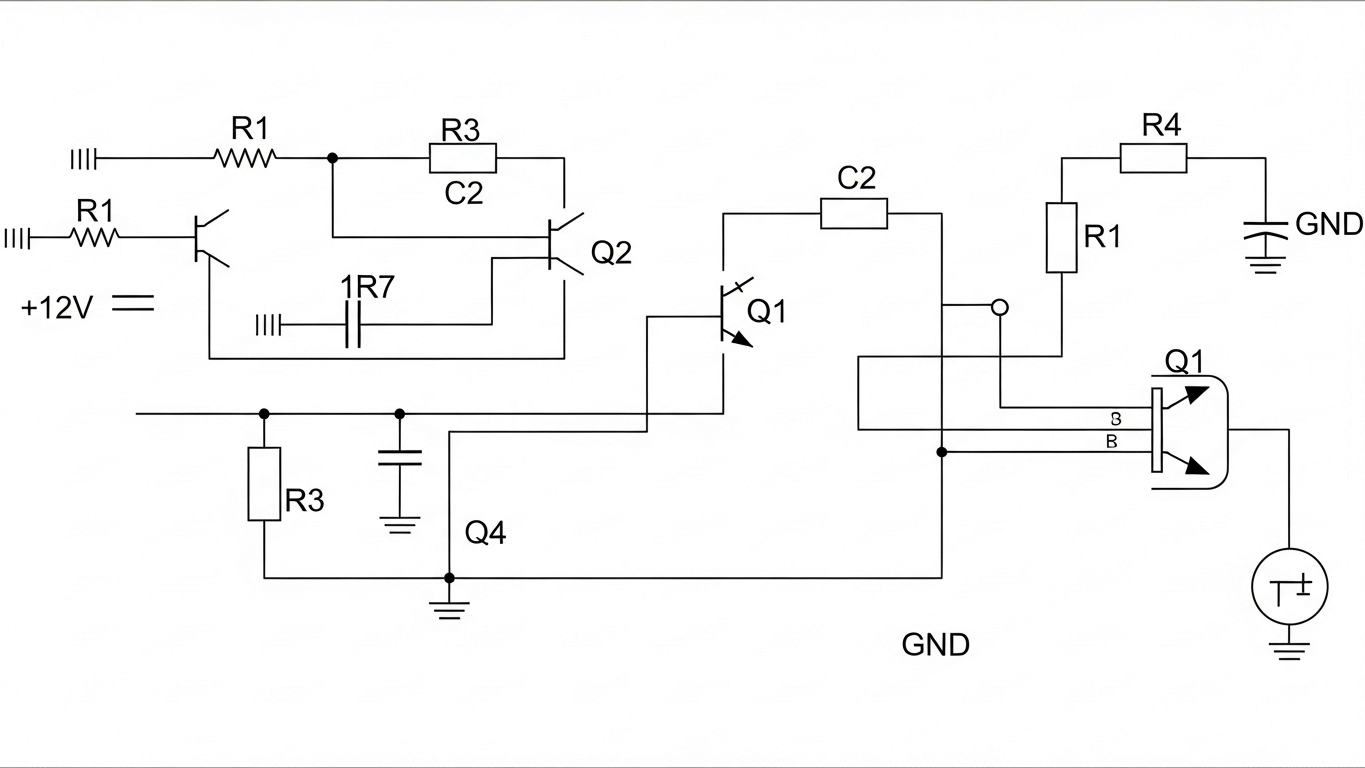
Decoding the Toyota 4 Wire Alternator Wiring Diagram
A Toyota 4 Wire Alternator Wiring Diagram is a schematic that visually represents the connections between your vehicle's alternator and its electrical components. Alternators are responsible for converting mechanical energy from the engine into electrical energy to charge the battery and power the vehicle's electronics. The four wires on a typical Toyota alternator each have a specific purpose, and the diagram illustrates precisely where each one connects. Understanding this diagram is of utmost importance for anyone performing maintenance or troubleshooting electrical issues related to the charging system. These diagrams are essential for several reasons. Firstly, they help technicians and owners identify the correct wires for connection during installation or replacement. Incorrect wiring can lead to a non-charging alternator, damage to the alternator itself, or even affect other sensitive electronic systems within the vehicle. Secondly, the diagram aids in diagnosing faults. If your battery isn't charging, or if you're experiencing unusual electrical behavior, tracing the wires according to the diagram can help pinpoint the source of the problem. Here's a general breakdown of what you might find represented in a Toyota 4 Wire Alternator Wiring Diagram:- B+ Terminal (Battery Terminal): This is the main output wire, typically the largest one, which directly connects to the positive terminal of the battery or the main positive battery cable.
- IG (Ignition/Indicator) Terminal: This wire is usually connected to the ignition switch or fuse. It signals the alternator to start charging when the engine is running. It also often controls the battery warning light on your dashboard.
- L (Lamp/Field) Terminal: This terminal is crucial for regulating the alternator's output. It is connected to the warning lamp and plays a role in controlling the field current, which is what allows the alternator to generate electricity.
- S (Sense) Terminal: This wire, often present on more advanced systems, "senses" the voltage at the battery. This feedback loop allows the alternator to adjust its output more precisely to maintain the optimal charging voltage for the battery.
| Wire Designation | Typical Connection |
|---|---|
| B+ | Battery Positive Terminal |
| IG | Ignition Switch/Fuse |
| L | Dashboard Warning Lamp / Field Control |
| S | Battery Voltage Sensing |